
A Century On: Queen Elizabeth II’s Enduring Shadow Over the Modern Monarchy
Nazmul Istiak, LL.B, LL.M , BA( Hon’s) , UK , Published: April 22, 2026, 5:34 am
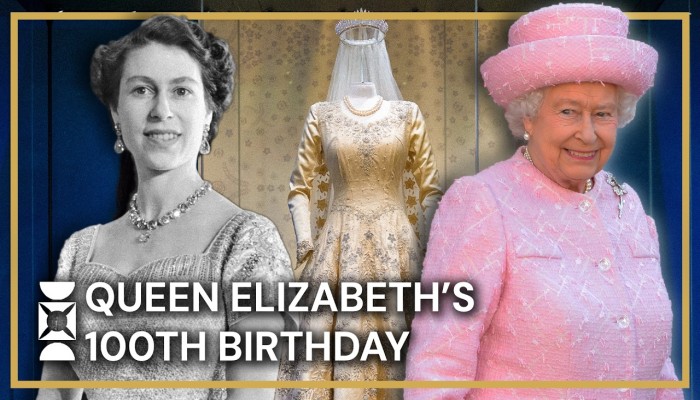
A hundred years after her birth, Queen Elizabeth II’s presence still lingers powerfully over Britain’s royal family—shaping public sentiment, commercial appeal, and the institution she once defined.
Just steps from Buckingham Palace, souvenir shops continue to thrive on her image. Mugs, tea towels, and keepsakes bearing her likeness remain top sellers, even years after her passing in 2022. In contrast, items featuring the current monarch attract far less interest—a telling sign of where public affection still lies.
For many, she remains the queen. Having ruled for seven decades, she was the only sovereign most Britons ever knew. Her reign stretched from the austerity of post-war Britain to the uncertainty of the COVID-19 pandemic, during which she offered steady reassurance. Over time, she evolved from a youthful symbol of hope into a deeply familiar and comforting national figure.
Yet her legacy is not without complexity. While widely admired for embodying continuity during decades of sweeping social and political change, questions have emerged in retrospect. Criticism has focused in part on how certain royal controversies were handled, particularly those involving her second son. These issues have added nuance to an otherwise celebrated reign.
Still, historians largely agree on her significance. Her influence on the monarchy—both as a stabilizing force and as a global representative of Britain—is unmatched in modern times. Her diplomatic presence helped maintain ties across the Commonwealth and beyond, while her ability to adapt to changing media landscapes kept the monarchy relevant in a rapidly evolving world.
Commemorations marking what would have been her 100th birthday reflect that enduring impact. Events include royal gatherings, public tributes, and exhibitions celebrating her life and style—reminders of a figure who remained active in public service until her final days.
Her story, too, carries an element of fate. Born into a secondary branch of the royal family, she was never expected to inherit the throne. But a constitutional crisis reshaped her destiny, placing her at the center of British life at just 25 years old—a role she would inhabit for the rest of her life.
Today, as debates about the monarchy’s future continue, her legacy serves as both a benchmark and a challenge. For many, she set a standard that may prove difficult to match.
And among the public, sentiment remains deeply personal. Admiration for her grace and dedication persists, even as opinions differ on her decisions. In the end, she is remembered not only as a monarch, but as a figure who balanced duty with humanity—an enduring symbol of an era that continues to shape the present.