Shaping Malta’s Migration Future: Identità Unveils Policy Changes and Enforcement Measures
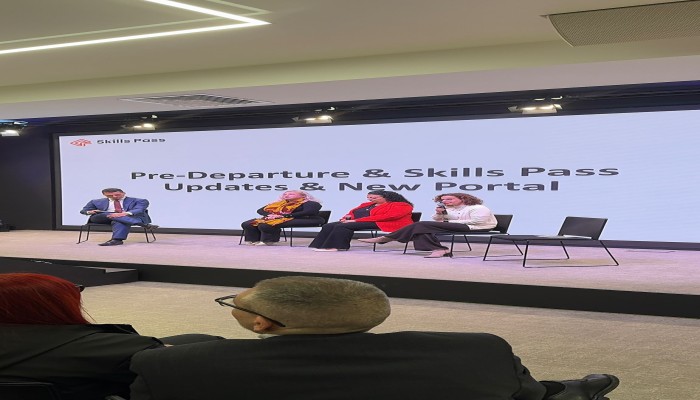
Identità Hosts Seminar on Understanding Labour
Migration in Malta at the Link Business Centre
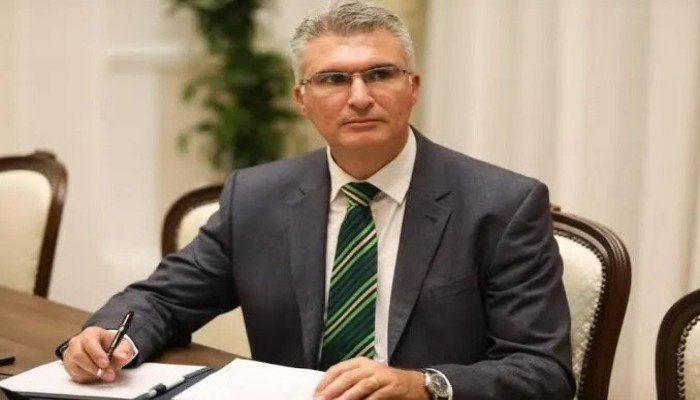
Identità today organised an information seminar at the Link
Business Centre, bringing together key stakeholders to discuss Malta’s labour
migration policy, recent regulatory changes, and expectations for third-country
nationals coming to Malta for work, study, or business purposes.
The event featured speakers and invited guests from Jobsplus, the Institute of Tourism Studies (ITS), and the Department of Employment and Industrial Relations. The session focused on explaining the latest developments in migration policy, including changes to current regulations affecting third-country nationals, and the practical implications for employers, students, and prospective workers.

Key Points on labour Migration
Policy and Regulatory Changes
Speakers outlined the new labour migration policy framework and
highlighted how it differs from previous regulations. Particular attention was
given to updated requirements for third-country nationals seeking to work,
study, or conduct business in Malta. The speakers also referred to the
migration policy implemented last year, noting that further adjustments have
since been introduced to strengthen oversight, improve compliance, and address
emerging challenges in the labour market and education sector.
Officials emphasised that the revised policies aim to
balance Malta’s economic needs with effective regulation, transparency, and
fairness. The changes are intended to ensure that migration channels are used
for their intended purposes and that all applicants meet the required
standards.
Emphasis on Workplace Safety and Work Ethics
A central theme across all presentations was the importance of safe workplaces and strong work ethics. Speakers stressed that occupational safety, respect for employment conditions, and adherence to Maltese labour laws are essential expectations for all workers, particularly third-country nationals. These principles were described as fundamental to protecting both employees and employers, and to maintaining confidence in Malta’s migration system.
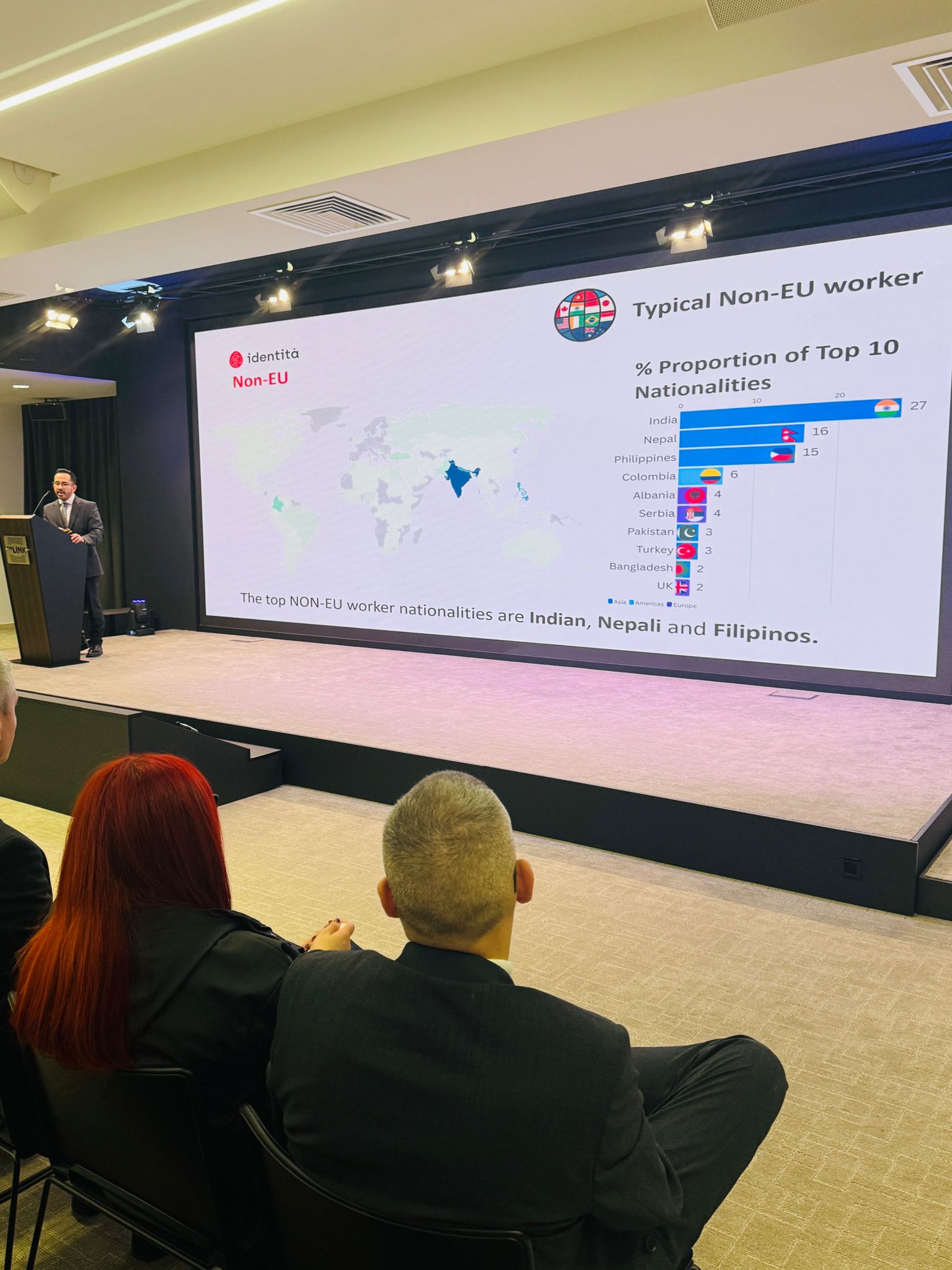
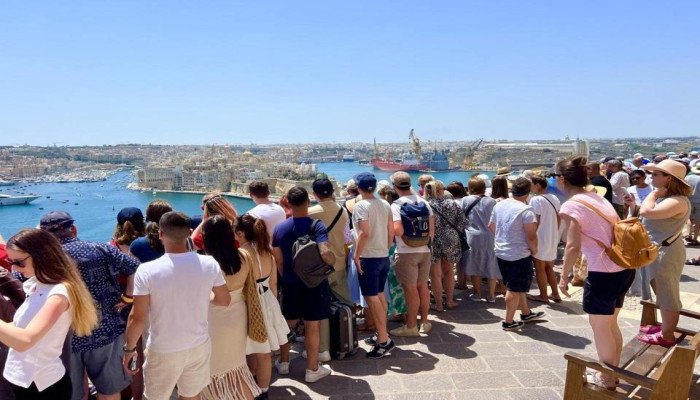
Recent figures show that Malta’s non-EU workforce is drawn from a wide range of nationalities, with a small number of countries accounting for the largest shares. Indian nationals represent the biggest group, making up 27% of non-EU workers, followed by Nepali workers at 16% and Filipino workers at 15%. Together, these three nationalities form the core of Malta’s non-EU labour force. Other notable groups include workers from Colombia (6%), Albania (4%), and Serbia (4%). Smaller but still significant proportions come from Pakistan and Turkey, each accounting for 3%, while Bangladesh and the United Kingdom each represent 2% of the non-EU workforce. Overall, the data highlights the strong presence of Indian, Nepali, and Filipino nationals as the top non-EU worker communities in Malta.
|
India – 27% |
|
Nepal -16% |
|
Philipines
-15% |
|
Colombia –6% |
|
Albania -4% |
|
Serbia -4% |
|
Pakistan-3% |
|
Turkey -3% |
|
Bangladesh-2% |
|
UK-2% |
The seminar concluded with a question-and-answer session,
during which attendees raised practical concerns and sought clarification on
the current situation and future policy direction. Several issues were
addressed in detail, including enforcement measures, compliance checks, and the
government’s plans to further refine migration controls.
Authorities reiterated that Malta continues to welcome skilled and experienced workers who contribute positively to the economy. However, a firm message was delivered that abuse of the Malta visa system will not be tolerated. Serious investigations are currently ongoing into cases involving misuse of visas for study, work, or business purposes. Any individual found to be abusing the system will face immediate legal action in accordance with Maltese law.


The seminar reaffirmed Malta’s commitment to a regulated,
fair, and sustainable migration framework that supports economic growth while
safeguarding legal and ethical standards.




























By commenting you are accepting our Comment Policy.