Malta’s Roadmap to Join the $7 Trillion Halal Trade and Tourism Boom
Malta’s Pathway into the $7 Trillion Global Halal Economy
Nazmul Istiak, Secretary , Bangladesh Malta Business Association ||
Published: August 10, 2025, 12:38 am
 Collected
what is the halal economy?
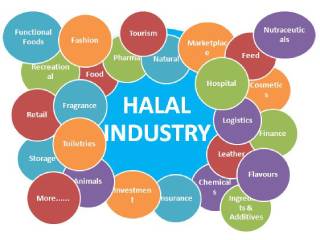
The “halal economy” covers goods and services that meet
Islamic law (Shariah) requirements and the preferences of Muslim consumers. It
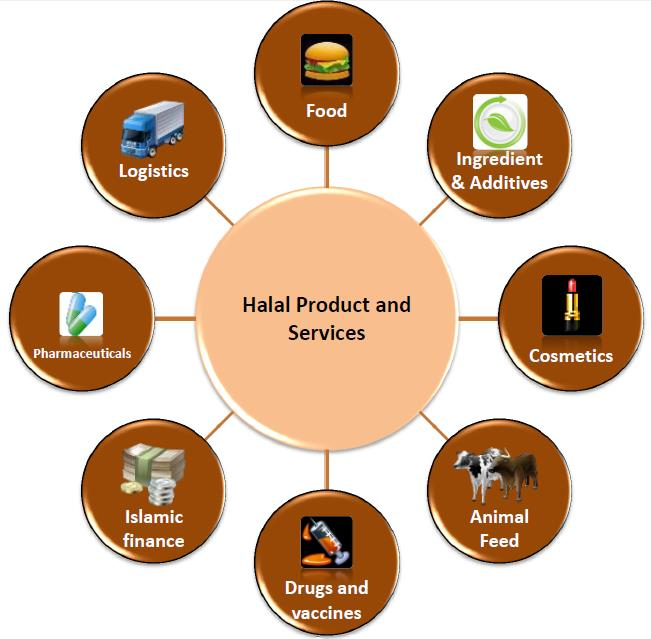
spans multiple sectors: food & beverage, Islamic finance (banking,
sukuk, takaful), halal tourism, pharmaceuticals & cosmetics, fashion
(modest wear), logistics & supply-chain services, and halal tech /
e-commerce. Globally the halal economy is measured in trillions — most
market surveys and industry bodies place the total at roughly $7 trillion
(and growing, with projections to $7.7T by 2025 and higher toward 2030). Consultancy AsiaAmerican Halal Foundation
Why it matters: rising Muslim consumer spending,
geographic diversification of demand (not only in OIC countries), and
increasing mainstream adoption by non-Muslim markets create export and service
opportunities for nimble countries.
The highest-impact sub-sectors to watch
- Halal
Food & FMCG: largest consumer segment; rising global demand for
certified halal food products and ingredients. Consultancy AsiaCognitive Market Research
- Islamic
Finance & Sukuk: major share of the market and a rapidly growing
asset class — Islamic finance assets projected to expand substantially by
the late 2020s. (IFDI / LSEG projections show strong growth in Islamic
finance assets.) LSEG+1
- Halal
Tourism: Muslim-friendly travel (halal food, prayer facilities,
family-friendly services) — a major driver for countries with strong
leisure/tourism infrastructure.
- Certification,
Standards & Logistics: trust, traceability and internationally
recognized certification enable cross-border trade. European halal
certification bodies already operate and are building recognition. Halal Certification EuropeHQC
Lessons from successful halal hubs
Takeaway: government leadership, clear standards, industry
incentives, and international partnerships accelerate hub development.
Why Malta has a credible entry point
- Strategic
EU / Mediterranean location (gateway to Europe, North Africa, Middle
East).
- Established
tourism sector and hospitality infrastructure.
- Financial
services sector with an EU regulatory footprint — useful base for
developing Shariah-compliant financial products for European and global
investors.
- Ability
to act fast with targeted policy and partnerships — size and agility can
be an advantage.
Concrete roadmap — short, medium and long term actions
Short term (0–12 months): build foundations
- Commission
a Halal Market Feasibility Study (public–private) — quantify Malta’s
addressable share by sector, export products, tourist demand and potential
job creation.
Output: investment case and prioritized quick wins (e.g.,
hospitality pilot, food export lines).
- Establish
a National Halal Coordination Taskforce (Ministries of Economy,
Tourism, Finance, Health + industry reps + religious/community
representatives). Taskforce scope: strategy, certification policy,
international recognition.
- Pilot
Halal Certification Acceptance / Partnership — either (A) create a
Malta-based halal certification scheme aligned with major international
standards and seek mutual recognition with JAKIM / GSO / recognized EU
certifiers; or (B) fast-track partnerships with established European halal
certifiers (Halal Cert Europe, HQC) to service Maltese producers
immediately. (European certifiers already operate and are recognised
internationally.) Halal Certification EuropeHQC
- Hospitality
pilot: encourage a small number (1–3) of hotels/resorts in Gozo /
Malta to run “Muslim-friendly” pilot packages (halal kitchen
certification, prayer space, family-friendly services, targeted
marketing).
Medium term (1–3 years): scale products & capability
- Create
a Malta Halal Hub / Industrial Cluster — a light industrial and
logistics zone with halal-friendly slaughter/processing, cold-chain,
packaging and export facilitation. Malaysia’s halal hubs show the cluster
effect is powerful. Industrial MalaysiaHalal Development Corporation
- Develop
Halal Finance Offerings — work with domestic banks, EU legal experts
and Shariah advisors to design sukuk, Shariah-compliant investment
funds or an Islamic asset vehicle domiciled in Malta for European
investors. Note: sukuk and Islamic finance are growing but face evolving
international standards and legal complexity — engage specialist advisers
and AAOIFI / IFDI literature. LSEGFinancial Times
- Support
SMEs & Food Producers — grants or soft loans for producers to
upgrade to halal-certified processes, labelling and export compliance
(HACCP + halal audits). Run training programmes with established
certifiers.
- Digital
Traceability & E-commerce — pilot blockchain-based traceability
for one export product (e.g., processed seafood or packaged food) so
buyers in Gulf/SE Asia can verify provenance, slaughter/processing and
certification.
Long term (3–7 years): institutionalise & globalise
- National
Halal Brand & Export Promotion — brand Malta as “Mediterranean
Halal Gateway” with trade missions to Malaysia, Türkiye, UAE and GCC
buyers.
- Halal
R&D & Education Centre — cluster R&D in food tech, halal
pharma/cosmetics and halal supply chains.
- Financial
Centre Depth — scale Islamic finance products, foster international
investor relationships, and pursue EU-level clarity on Shariah-compliant
financial vehicles.
Operational details — how to make each building block
real
A. Certification & trust (first priority)
- Option
A (faster): partner / accredit existing European halal certifiers to
operate in Malta and certify Maltese producers (immediate access to export
markets). Example certifiers active in Europe: Halal Cert Europe, HQC. Halal Certification EuropeHQC
- Option
B (strategic): create a Maltese Halal Authority that adopts international
MS-style standards and seeks mutual recognition with JAKIM, GSO and major
buyers. This costs more and takes longer but gives sovereignty and
potential export revenue.
B. Halal tourism package (low cost, high visibility)
- Certify
kitchen operations, create designated prayer rooms, provide
Muslim-friendly concierge services, and partner with travel agencies in
key source markets (GCC, Turkey, UK). Market through targeted platforms.
C. Halal finance (requires legal / regulatory design)
- Work
with EU legal teams to ensure sukuk/product structures comply with Maltese
law and EU regulations. Partner with Islamic banks or fintech platforms to
distribute Shariah-compliant investment products in Europe. Use LSEG/IFDI
data to create investor pitchbooks. LSEG+1
D. Logistics & supply chain
- Invest
in cold-chain, halal slaughter/processing tolerance, audited exporters,
and a digital traceability pilot (blockchain + QR codes). Make compliance
an export pre-requisite.
E. Partnerships & diplomacy
- Proactively
seek knowledge transfer and mutual recognition agreements with Malaysia
and Türkiye (they are actively positioning as global leaders and are open
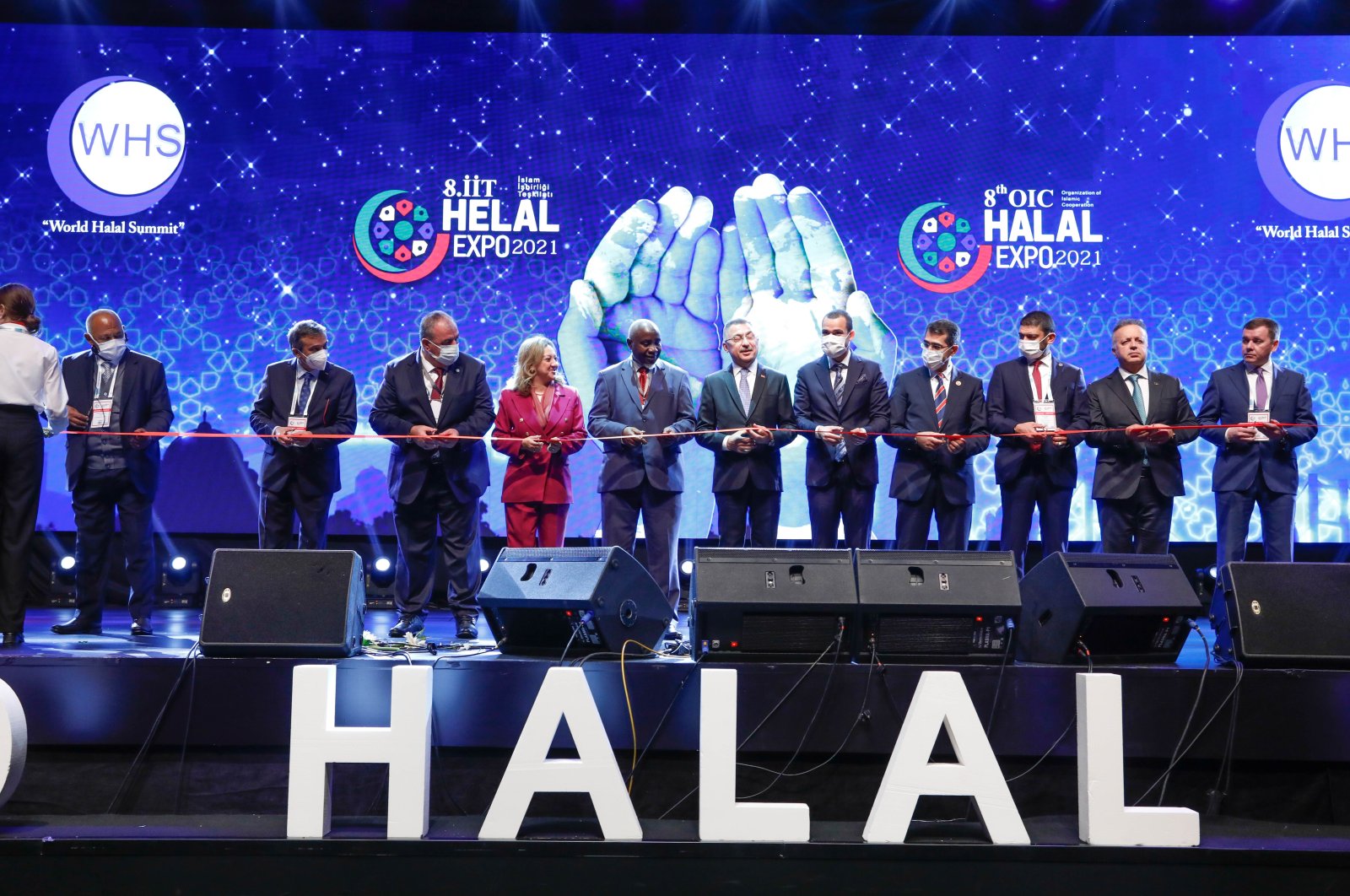
to cooperation). Attend major halal expos and summits (World Halal Summit
etc.) to promote Malta. World Halal SummitHalal Development Corporation
KPIs and success metrics
- Number
of Maltese producers with internationally recognized halal certification
(yearly).
- Value
of halal exports (EUR) and number of export destinations.
- Number
of halal-certified hotel rooms / tourist visitors using halal services.
- Assets
under management in Malta of Shariah-compliant funds / sukuk issuance.
- Jobs
created in halal cluster and logistics.
Measure customer trust: verified traceability scans and importer
satisfaction rates.
Risks & mitigations
- Risk:
fragmentation of halal standards (AAOIFI/other reforms may change sukuk
rules). Mitigation: design flexible legal structures and work with
international Shariah advisers. Financial Times
- Risk:
limited domestic Muslim population might limit local demand. Mitigation:
focus on exports, visitation (tourism) and financial products aimed at
foreign buyers.
- Risk:
reputational issues if certification or supply chain lapses. Mitigation:
strict audits, digital traceability, insurance, and transparency.
Suggested first 90-day action plan (practical)
- Commission
feasibility study with private consultants and one academic partner
(estimate 8–12 weeks).
- Convene
stakeholder roundtable (Ministries, tourism board, banks, exporters,
community leaders).
- Sign
MoU with a reputable European halal certifier (fast track
certification pilots for 5 SMEs and 2 hotels). Halal Certification EuropeHQC
- Design
2 pilot projects: (A) one halal-certified hotel package; (B) one
halal-certified export SKU with blockchain traceability.
- Plan
an international trade mission to Malaysia / Türkiye / UAE within 9–12
months to secure partnerships and buyer leads. Halal Development CorporationHalal Times
Sources & further reading (key, recent
references)
Malta can realistically carve a niche in the halal economy —
especially as a Mediterranean halal tourism hub, specialty food exporter,
and a boutique Islamic finance center for Europe. The fastest measurable
wins come from partnering with existing certifiers, piloting halal-friendly
hotels and export SKUs, and launching a focused trade diplomacy push. With
the right public–private coordination, Malta could be a credible European
gateway into a global market measured in trillions.
Share it











By commenting you are accepting our Comment Policy.